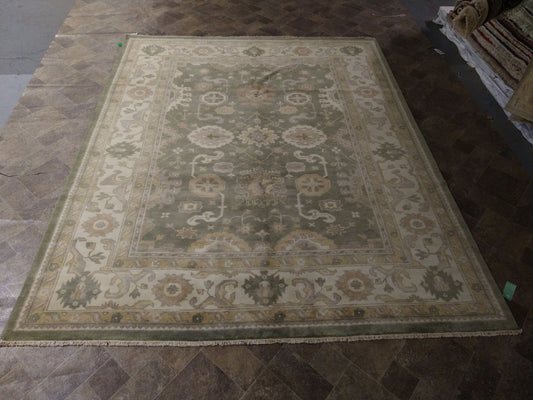
Rug Care 101: Keeping Your Handmade Rug Beautiful for Generations
Share
A handmade rug is more than a floor covering — it is a work of art meant to be enjoyed for generations. With proper care, your rug will maintain its beauty, color, and structural integrity for decades. Here is everything you need to know.
Daily & Weekly Care
Vacuuming
Regular vacuuming is the single most important thing you can do for your rug. It removes dirt and grit that can damage fibers over time.
- Vacuum once or twice a week for rugs in high-traffic areas
- Use a low suction setting and turn off the beater bar/brush roll
- Vacuum in the direction of the pile, not against it
- Never vacuum the fringe — it can get caught and damaged. Instead, gently shake or hand-comb the fringe
Rotation
Rotate your rug 180 degrees every 3–6 months. This ensures even wear and prevents fading in spots that receive direct sunlight. It also distributes foot traffic evenly across the rug.
Spill & Stain Management
Accidents happen. The key is acting fast:
- Blot immediately with a clean, white cloth. Work from the outside in to prevent spreading.
- Never rub — rubbing pushes the stain deeper into the fibers and can damage the pile.
- For liquid spills, apply a mixture of cold water and a tiny amount of mild dish soap. Blot again.
- Rinse the area with clean cold water and blot dry.
- Place a dry towel with a weight on top to absorb remaining moisture.
Avoid: bleach, ammonia, hydrogen peroxide, hot water, and steam cleaners on handmade rugs.
Sunlight Protection
Prolonged direct sunlight can fade natural dyes over time. To protect your rug:
- Use UV-filtering window treatments or curtains
- Rotate the rug regularly (see above)
- If possible, avoid placing the rug in a spot with constant, intense sunlight
Rug Pads
A quality rug pad is essential. It:
- Prevents slipping and keeps the rug in place
- Protects your floors from abrasion
- Extends rug life by reducing friction on the underside
- Adds cushion for extra comfort underfoot
We recommend a felt or felt-and-rubber combination pad. Avoid rubber-only pads on hardwood, as they can trap moisture and damage the finish.
Professional Cleaning
We recommend professional rug cleaning every 1–2 years, depending on traffic and use. Look for a cleaner who specializes in handmade rugs — they understand the specific needs of natural fibers and dyes.
Important: Never take a handmade rug to a standard carpet cleaner or use wall-to-wall carpet cleaning machines. These can damage the foundation, distort the shape, and strip natural dyes.
Storage
If you need to store your rug:
- Clean it first — dirt attracts moths and insects
- Roll the rug (never fold) with the pile facing inward
- Wrap in breathable cotton or muslin — never plastic, which traps moisture
- Store in a cool, dry, dark place
- Add cedar blocks or lavender sachets as natural moth deterrents
- Check on stored rugs every few months
Dealing with Moths
Moths are the enemy of wool rugs. Prevention is key:
- Vacuum regularly, especially under furniture where moths like to hide
- Rotate and move your rug periodically
- Keep the room well-lit and ventilated — moths prefer dark, still areas
- If you spot moth damage, have the rug professionally cleaned immediately
When to Seek Professional Repair
Minor issues like loose threads can be carefully trimmed with scissors. But for these situations, consult a professional rug restorer:
- Fringe damage or unraveling edges
- Holes or tears in the foundation
- Significant moth damage
- Color bleeding or dye migration
Catching problems early saves money and preserves your rug’s value. A well-maintained handmade rug can last 100 years or more — becoming a treasured family heirloom.
Have questions about caring for your rug? Contact our team — we are always happy to help.