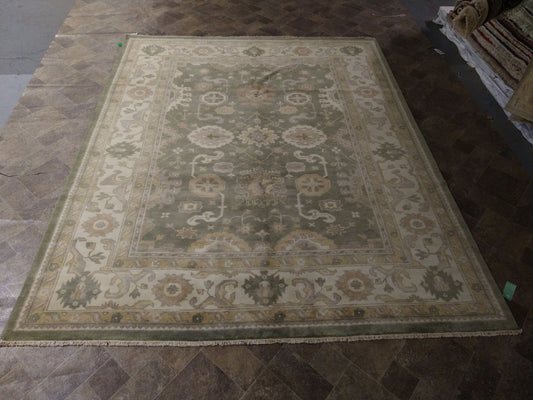
Living Room Rug Ideas: 15 Ways to Style Your Space
The living room rug carries more weight than any other single item in the room, more than the sofa, honestly, because the rug decides whether everything else looks arranged or just parked. And you don't need a designer to get it right. You need a handful of tricks that work in real rooms, not just staged photos.
Here are 15, roughly ordered from safest to boldest.
The Reliable Ones
1. Anchor with a neutral, then go loud everywhere else. A cream, greige, or sand rug in the right size lets you swap pillows, art, and throws seasonally without anything clashing. Boring? A little. Foolproof? Completely.
2. Do the opposite: patterned rug, quiet room. If your sofa and walls are neutral, the rug is where the personality goes. A faded vintage-style pattern in rust, navy or olive turns a beige room into a designed room for the price of one item.
3. Pull your palette from the rug. Interior designers do this constantly: pick the rug first, then pull two or three of its colors into pillows and art. Instant cohesion, zero guesswork.
4. Size up. Not really a styling idea, more a warning that fixes 80% of bad-looking living rooms: if the rug looks off, it's probably too small. Front legs of all seating should sit on it. We covered exact measurements in the [rug size guide](INTERNAL LINK: /blog/rug-size-guide).
5. Match rug tone to floor contrast. Dark floors, go lighter rug. Light floors, go deeper rug. The contrast is what makes the rug read as intentional instead of camouflaged.
The Texture Plays
6. Layer a small rug over a big jute. The most borrowed designer trick going. A large flat jute or sisal covers the square footage cheaply, then a smaller wool or vintage rug sits on top at an angle or centered under the coffee table. Texture, warmth, and you save money on the statement piece because it can be smaller.
7. Go high pile in a low-traffic living room. If your living room is more evening-wine than kid-stampede, a plush or shaggy rug makes the whole room feel softer. One rule: keep everything else clean-lined so it reads cozy, not 1974.
8. Flatweave for the busy house. Kids, dogs, snack traffic? A flatweave kilim-style rug takes abuse, hides crumbs in its pattern, and vacuums in a minute. Style survives contact with real life.

The Layout Moves
9. Angle it. Turning the rug 15 to 30 degrees under the coffee table breaks up a boxy room and adds movement. Works best with smaller layered rugs, a giant 9x12 on an angle mostly looks like an accident.
10. Use the rug to draw a room inside an open plan. In lofts and open layouts, the rug is the wall. One rug under the seating zone, maybe a different one under the dining zone, and suddenly the space has rooms without having rooms. Keep the two rugs related, shared tone or shared style, so they converse instead of compete.
11. Round rug, small space. Small square living rooms get boxier with another rectangle in them. A round rug softens the geometry and makes tight seating arrangements, like two chairs and a loveseat, feel deliberate.
12. Runner behind the sofa. If your sofa floats mid-room with a walkway behind it, a runner in that path makes the walkway official and protects the floor's traffic lane. Weirdly satisfying fix.
The Bolder Swings
13. Go dark. Charcoal, ink, espresso. A dark rug grounds a bright room, hides wear, and makes wood furniture tones pop against it. People fear dark rugs shrink rooms; with enough natural light, they mostly just calm them down.
14. Checkerboard or bold geometric. The current favorite for modern rooms. If your furniture is simple, one graphic rug does more than three pieces of wall art. Pick two colors max so it stays sharp.
15. Let a vintage or heirloom-look rug clash a little. Perfectly matched rooms photograph well and feel like hotels. A slightly "wrong" rug, older-looking, unexpected color, is what makes a room feel collected over time. If you love it, the room will absorb it.

FAQ
What kind of rug is best for a living room?
Low to medium pile in wool or polypropylene, sized so at least the front legs of all seating rest on it. Pattern level depends on how much traffic and mess the room sees.
Should a living room rug be lighter or darker than the sofa?
Either works, contrast is what matters. A rug close to the sofa's exact tone makes both disappear into each other.
Are two rugs in one living room okay?
Yes, in open plans or large rooms, one rug per zone. Keep them related in tone or style so the room doesn't feel like two showrooms shoved together.
What rug colors are popular in 2026?
Warm earth tones, rust, terracotta, olive, and faded vintage-look reds and blues, alongside bold checkerboards in modern rooms. Cool grays have faded out.
Bottom Line
Start with size, pick your risk level, and remember the rug can be the loudest or the quietest thing in the room, it just can't be the smallest. If you're still deciding on material, the buyer's guide breaks that down, and the collection filters by color, size and style.