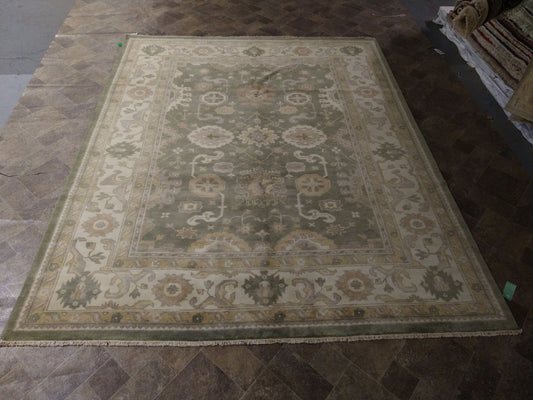
Kazak Rugs Explained: Tribal Patterns, Origin & Styling
Here's the strange thing about Kazak rugs: the pattern language is 200 years old, born among shepherd tribes in the Caucasus mountains, and yet drop one into a white-walled apartment with a low gray sofa and it looks like it was designed last year. No other traditional rug pulls that trick off as well. Big shapes, few colors, zero clutter, the Kazak was doing bold minimal graphics before that was a thing.
Here's the full picture: origin, how to spot one, and how to buy one that's worth the money.
Where Kazaks Come From
The Caucasus, the mountain belt between the Black and Caspian seas, in what's now Azerbaijan, Armenia and Georgia. The historic weavers were tribal and village people working on small looms with memorized designs, no drawings, no patterns on paper. That's why antique Caucasian Kazaks are prized by collectors: each one is a freehand performance.
The name today has a second life. Most new Kazak rugs are woven in Pakistan and Afghanistan, often by Afghan weavers who revived the old Caucasian designs in the 1990s using hand-spun wool and vegetable dyes. The trade calls them Kazaks because they're woven in the Kazak design tradition, and the good ones are genuinely good, honest hand-knotted rugs, not imitations of anything. Same story as Bokhara: the name follows the design language, not the map.
How to Recognize One in Two Seconds
Scale and nerve. A Kazak speaks in large medallions, stacked diamonds, octagons, crosses, eight-pointed stars, drawn with thick outlines and surrounded by generous empty space. The famous details: latch-hooks (little comb-like hooks edging the medallions) and crab or ram's-horn motifs scattered in the field.
The palette is short and loud: madder red, deep indigo, ivory, and green or gold, rarely more than five colors total. Where a Bokhara whispers in rhythm and a Kashan speaks in ornament, a Kazak just states things.

Why Designers Keep Using Them
Because a Kazak solves the modern room's biggest problem: sterility. Clean-lined furniture and neutral walls need one thing with a pulse, and a Kazak provides it without any of the fussiness people fear from "Oriental rugs." The geometry echoes modern art more than grandma's parlor, think Bauhaus, not Victorian.
They're also forgiving in practice. The dense, chunky wool pile takes traffic, and the high-contrast pattern hides daily life the way all good tribal rugs do. Dens, studies, entries, living rooms, anywhere the room needs a spine.
Buying One: What to Check
The usual hand-knotted checks first, pattern visible on the back, fringe from the warp, honest small irregularities full walkthrough in our authenticity guide.
Kazak-specific things worth knowing: the best new Kazaks use hand-spun wool and vegetable dyes, and you can often feel the difference, hand-spun wool has slight thick-and-thin variation that gives the surface life, while machine-spun feels uniform. Colors should be saturated but not neon; vegetable-dye reds lean brick and cherry, not fire-engine. Abrash is common and welcome. And expect a stiff, meaty handle, Kazaks are dense, substantial rugs, a floppy thin one is a red flag.
Pricing sits in the sweet spot of hand-knotted rugs: real ones cost less than Persian city rugs of the same size, which makes a Kazak one of the best first serious rugs a person can buy. Confirm the size against your room with the rug size guide before you commit.

Styling a Kazak
Let it lead. Keep the surrounding furniture simple and solid-colored, linen, leather, wood, black metal, and pull one or two of the rug's colors into pillows or art. The red-and-indigo palette loves white walls, light oak, and charcoal. What to avoid is competition: a second bold pattern at the same scale, or a busy multicolor sofa, turns the room into an argument.
Small Kazaks and runners also make superb entry statements, first thing guests see, toughest wool in the house.
FAQ
Where are Kazak rugs made today?
Mostly Pakistan and Afghanistan, woven in the historic Caucasian design tradition with hand-spun wool and vegetable-style dyes. Antique pieces come from the Caucasus itself.
Are Kazak rugs good quality?
Good ones are excellent: dense hand-knotted wool built for traffic. Judge each rug by its back, wool and dyes rather than the label.
What's the difference between Kazak and Persian rugs?
Persian rugs are woven in Iran; Kazaks descend from Caucasian tribal weaving. Visually, Kazaks are bolder and more geometric, with fewer colors and larger motifs than most Persian designs.
Do Kazak rugs suit modern interiors?
Better than almost any traditional rug. The big geometric shapes read as graphic and contemporary against minimalist furniture.
Bottom Line
A Kazak is confidence you can walk on: tribal history, iron-wearing wool, and a pattern that makes modern rooms make sense. Browse our Kazak collection, hand-knotted and certified, every piece.